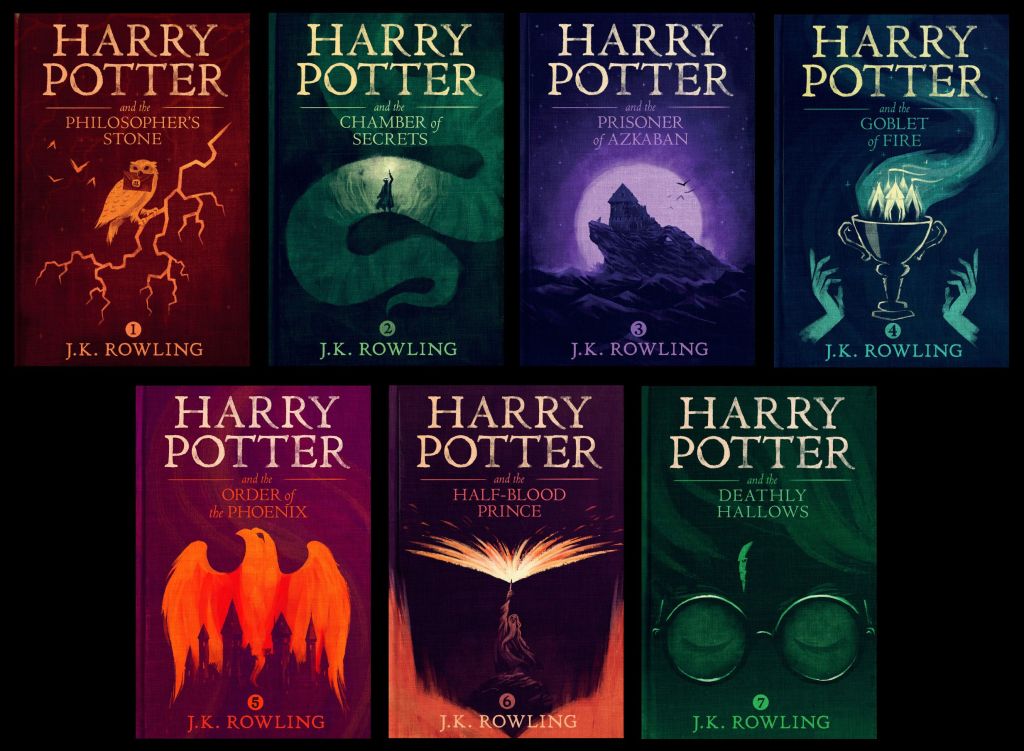
At first glance, J.K. Rowling’s Harry Potter series looks like a children’s fantasy story about magic, friendship, and adventure. However, throughout the series, themes of prejudice, discrimination, corruption, and fighting against oppressive governments can be observed. These themes are part of the reason these books continue to resonate with audiences of all ages and how they stay relevant.
An example of this is prejudice. In the wizarding world, some witches and wizards believe that people from what they call “pure-blood” magical families are superior to those with non-magical ancestry. Characters like Hermione Granger, despite being one of the most talented students of her age, face discrimination because she was born to non-wizards, or Muggles. This attitude resembles the real-world issues of racism and ethnic discrimination, where individuals are based on their background rather than their abilities or personality. Through these conflicts, Rowling highlights the dangers of intolerance and the importance of embracing diversity.
The series also examines how powerful institutions can abuse their authority and power to manipulate information. As the main villain, Lord Voldemort returns to power, the government of their world, the Ministry of Magic, repeatedly attempts to deny and cover up the truth to control public opinion. The wizarding newspaper, The Daily Profit, publishes misleading stories throughout the books that support those in power instead of reporting on events objectively. These situations mirror concerns present in our society regarding propaganda, misinformation, media bias, and government corruption. The series encourages readers to think critically about the information they receive and to question those who hold authority appropriately. We should follow this advice and ensure that we are aware of the bias present in certain stories and from each source.
Harry Potter emphasizes the importance of standing up for injustice, even when doing so is difficult or dangerous. Harry and his friends repeatedly challenge discrimination, corruption, and Voldemort’s growing influence despite the risks. Their actions show that meaningful change often depends on ordinary people when they are willing to stand up for what is right. This message connects strongly with movements from our history such as The Civil Rights Movement and The Women’s Suffrage Movement to name a few. Both fought against oppression and inequality.
By combining fantasy with social commentary, the Harry Potter series reminds readers that courage, empathy, and fighting against injustice are values that remain essential in any society. They also ingrain a sense of right and wrong into young readers. Ultimately, the series demonstrates that ordinary people can make a difference when they choose to defend the truth and stand up for what is right.
LEARN MORE
Harry Potter | Official home of Harry Potter, Hogwarts Sorting, and the Wizarding World
Harry Potter Series by J.K. Rowling
Racist Statistics | 2026 Edition
The benefits of diversity education
Civil Rights Movement: Timeline, Events & Leaders | HISTORY
Women’s Suffrage: U.S. Movement, Leaders & 19th Amendment | HISTORY


Leave a Reply